A violent past does not have to produce a single, imposed story. It can instead be taught through different testimonies placed side by side, so that young people learn to think for themselves rather than inherit someone else’s conclusions — this was the thread running through the JHP 2.0 international conference in Athens.
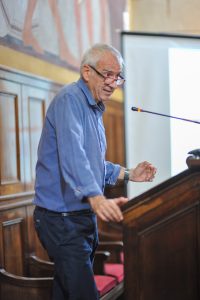
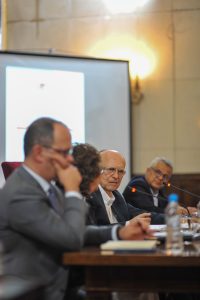
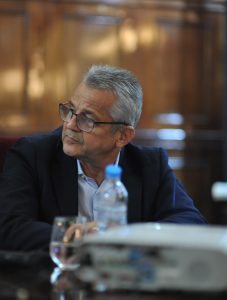
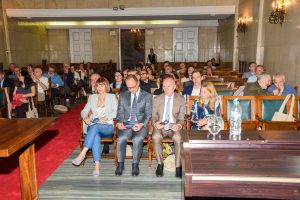
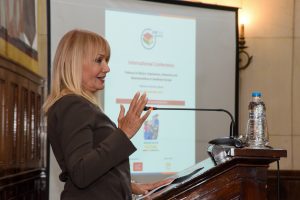
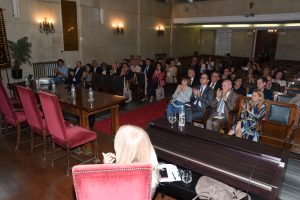
The conference “Violence in History: Experiences, Memories and Representations in Southeast Europe” took place September 24–26, 2026, at Panteion University in Athens. It brought together historians, educators, and researchers from 13 countries of Southeast Europe, joined by colleagues from Germany, the United Kingdom, Norway, Canada, the United States, and Spain, to examine a question that sits at the heart of the region’s own history: how societies research, remember, and teach violence – war, persecution, and the silences that often follow them – without letting that violence calcify into propaganda, denial, or a new generation’s inherited grievance.
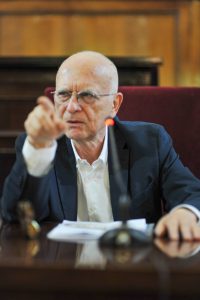
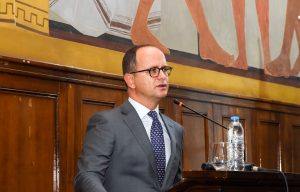
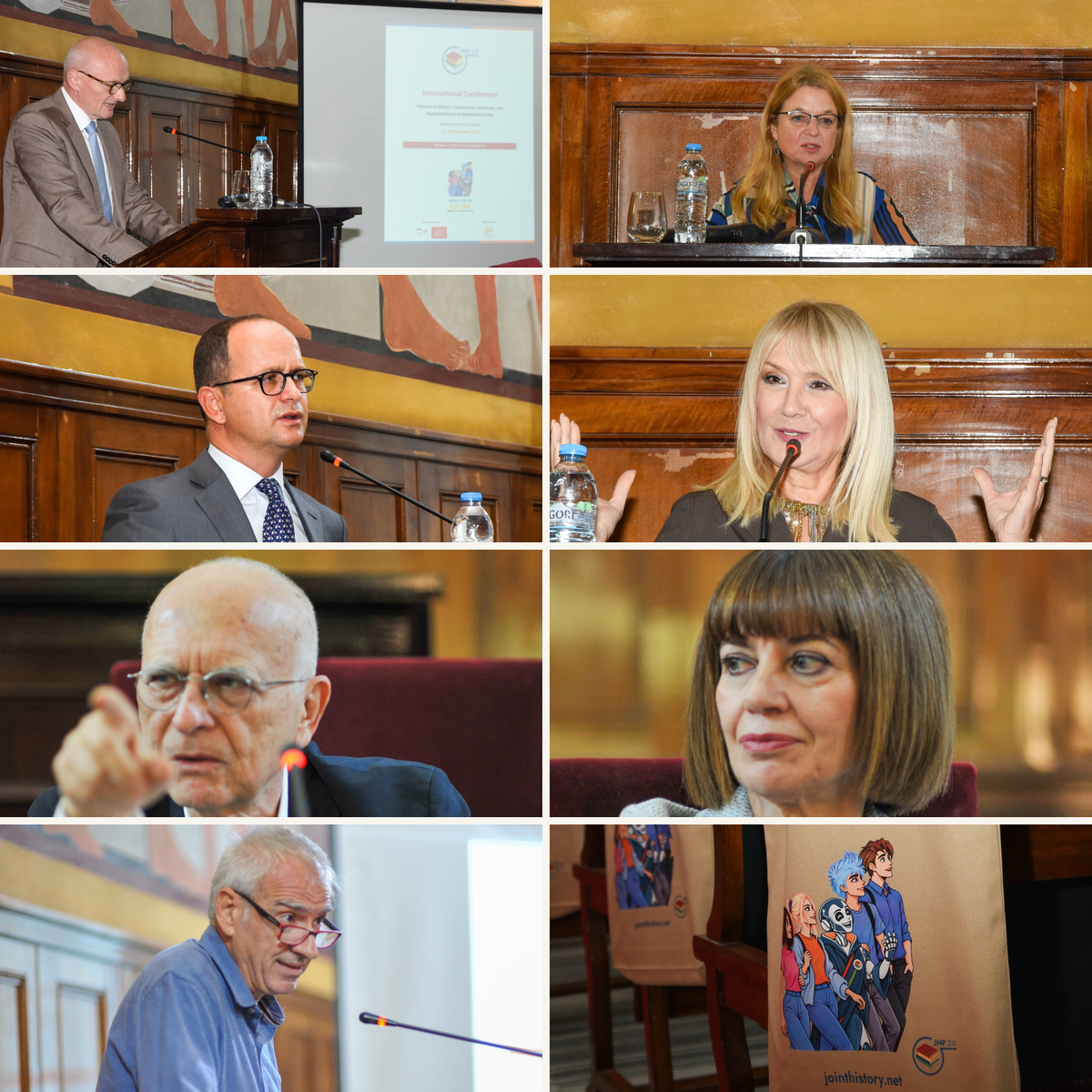
Opening the conference, Joint History Project Director Zvezdana Kovač recalled that for almost three decades the project has brought together historians from across the region with the aim of viewing a shared and often painful past from multiple perspectives at once. Chair of the JHP Board and former Albanian Minister of Foreign Affairs Ditmir Bushati reflected on civic mobilization in Albania, showing how public discontent grew into a broader pro-democracy movement led by “the children of transition,” and drew clear parallels between civic engagement in Albania and Serbia. Rector of Panteion University and Chair of the JHP Academic Committee Christina Koulouri pointed to the new challenges that rapid technological progress poses for education and society as a whole. German Ambassador Andreas Kindl stressed the indispensable role of initiatives such as the JHP in strengthening regional peace and mutual understanding, while Regine Schubert, Director of the Friedrich-Ebert-Stiftung (FES) Office in Athens, emphasized that the lessons of history offer valuable guidance to today’s decision-makers.
Over the following two days, six thematic sessions carried the conference’s central question into six different rooms of the past.
History teaching and violence I asked what actually happens when a violent past enters the classroom. The panel’s message was unambiguous: teaching about trauma has to build critical understanding, not normalize violence — and in divided societies, young people often absorb the past through family myth and community tradition long before they encounter it as historical fact, which makes the classroom’s role in supplying that fact, carefully and honestly, all the more urgent.
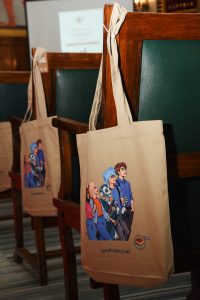
History teaching and violence II continued that question from a different angle. Its message was that comics and graphic novels grounded in primary sources can bring difficult topics closer to young people than a textbook page ever could, and that an honest awareness of dual belonging – of standing, historically, in more than one community or narrative at once – is precisely what opens the space for genuine multiperspectivity in the classroom, rather than undermining it.
Memory and violence turned to how societies hold on to what happened once the violence itself has ended. Here the panel’s message was that archival material, however painful, opens the way to reconciliation rather than closing it off – and that the open condemnation of crimes, clearly and without qualification, is what actually breaks down monolithic national narratives, not their quiet avoidance.
Gendered violence widened the lens beyond the battlefield. The session’s message was that wartime and systemic violence cannot be read through political and military events alone: private testimonies recover the gender roles, domestic experience, and everyday life that official textbooks routinely overlook, and doing so is not a footnote to the history of violence but part of its substance.
Crimes, massacres and genocides confronted the hardest material of the conference directly. Its message was that wartime violence extends well past physical suffering to economic devastation, social exclusion, and forced migration – and that postwar textbooks, left unexamined, can quietly go on sustaining the very division between “us” and “them” that the violence itself once produced.
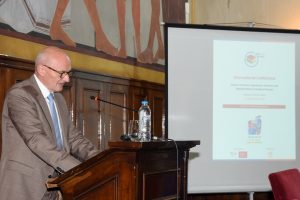
Thoughts for the JHP in its fourth decade turned the conference’s questions back on the project itself. JHP Director Zvezdana Kovač presented the results achieved so far and announced a new focus on educational comics and video materials tailored to new generations. Sanja Radović then presented the JHP Assistant, a new AI tool designed to support work with JHP sources, stressing that banning such tools is not the solution – students should instead be equipped to use them ethically and critically. Participants had the chance to test the tool themselves at its premiere.
All papers presented at the conference will be published in the publication Retrospektive, and we will keep you informed in due course.
The Athens conference was the second in a series of international conferences organized within the JHP 2.0 project. The project is supported by the German Federal Foreign Office and implemented by the European Fund for the Balkans (EFB), while this conference received additional support from the Friedrich-Ebert-Stiftung (FES).