Dušan Reljić
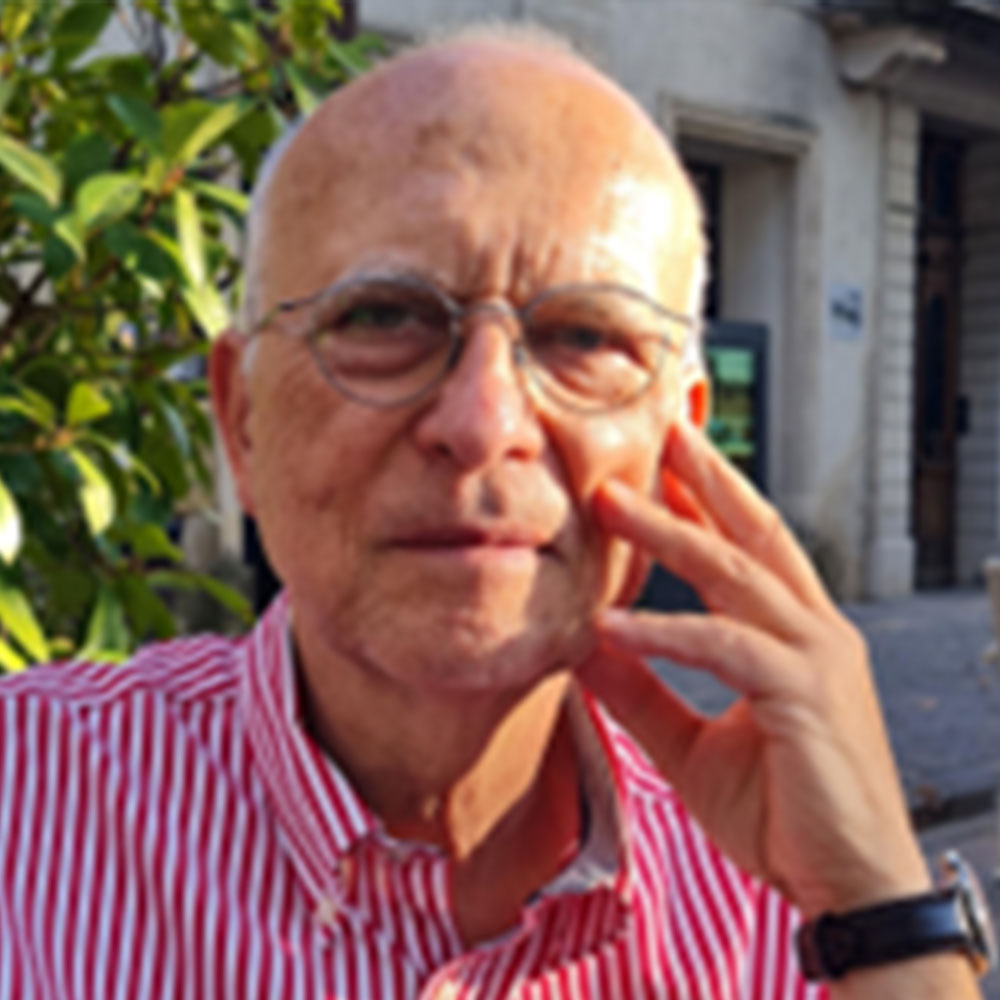
This is a long-term endeavor — it’s been going on for almost three decades. And the world has changed incredibly over these thirty years.
Three decades ago, we rarely used personal computers, and the internet was just beginning to emerge. What worries me is whether the things we thought about and wrote back then can be translated into the present moment — into what we now call social media, into new forms of expression. And I think my generation probably can’t do that anymore.
That’s why I would be truly glad if young people — all young people — took over this idea, this endeavor, transformed it, adapted it, but still expressed themselves through the foundations on which we built this project: respect for diversity, respect for the variety that exists in how people think, live, and envision the future.
So that is my greatest wish — for young people to come and carry this forward.
Neven Budak
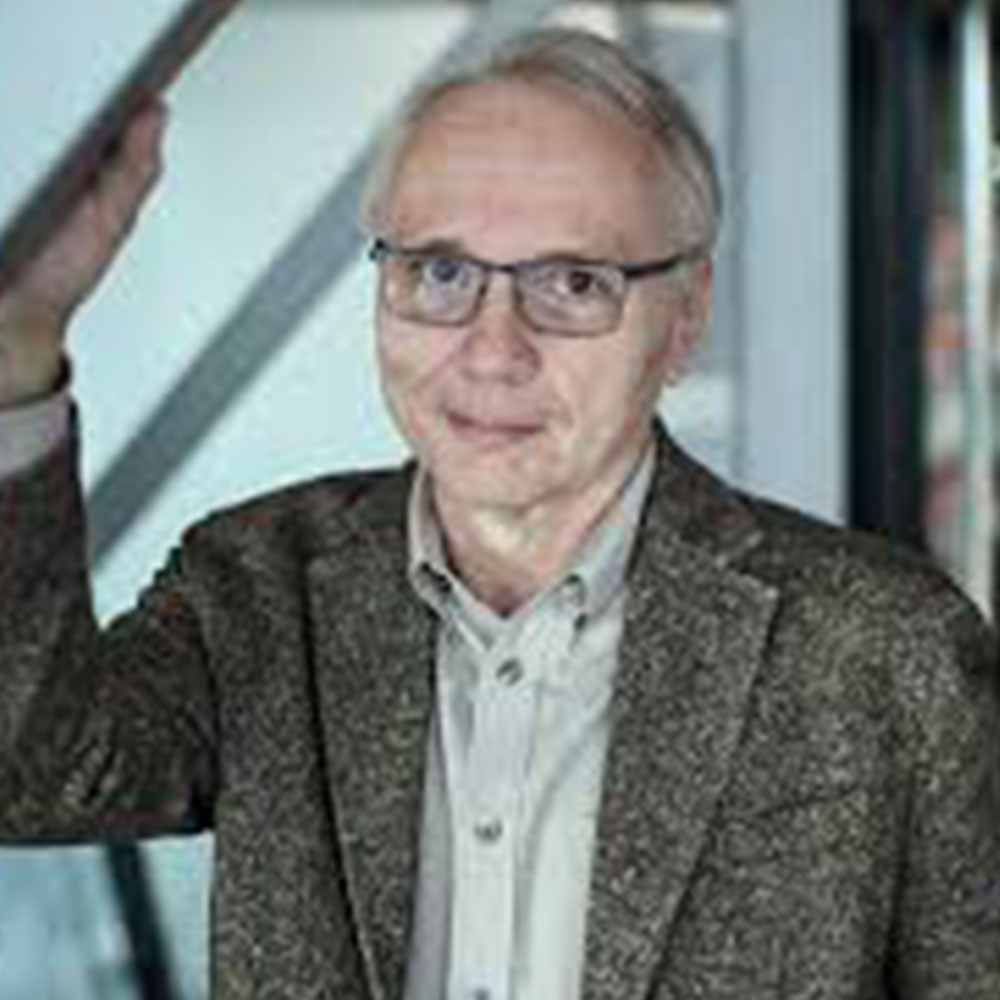
I believe this project is important for several reasons. One is that, over the thirty years it has lasted, those of us who have worked on it have grown closer and created a kind of micro-community of historians from the region, which functions very well — not just professionally, but we have, of course, become friends over that time. And for me personally, that would be the most important part of the project.
But yes, the project is also important because of the impact it has had through its results. I think we’ve managed to connect many history teachers from across the region, and that these teachers now look at history differently. They’ve become aware of the need for comparison — not just interpreting their own national history, but comparing it with the histories of neighboring countries, in order to see which experiences are shared and which are different.
And finally, I believe — I hope — that this has had an impact on the students who are taught by these teachers. That might be a bit difficult to measure, but I truly hope this project has, in that way too, left a significant mark in all the countries involved.
Christina Koulouri
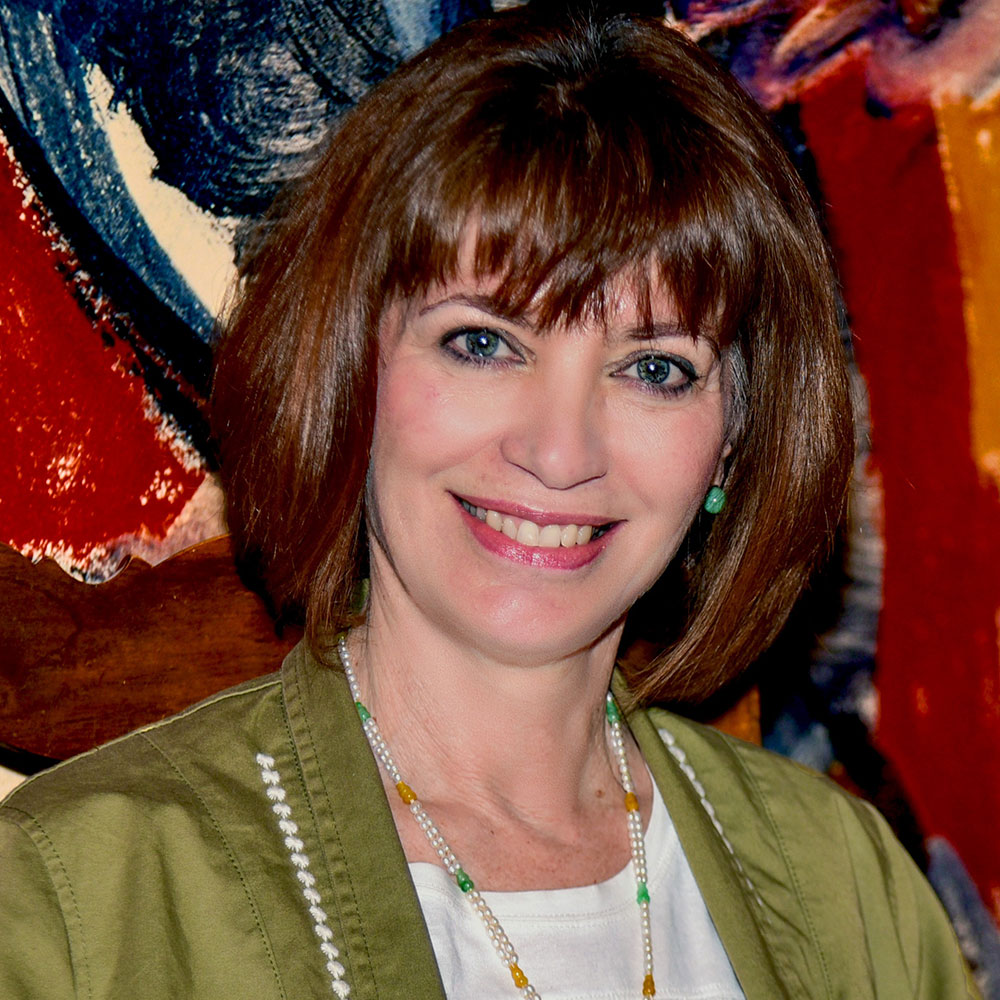
We were historians, we loved history, and we wanted societies to change for the better. We believed that history could be a means to change the world — and that’s what we wanted: to change the world. Even today, what is it, 30 years later? Even today, we believe this is a noble cause worth fighting for.
Unfortunately, since then… and based on the conclusions we reached back then, it seems that not much has changed. There are still problems in schools — with textbooks, with the way history is taught, with the discourse around history, which remains highly nationalistic. But above all, the fact that children don’t love history.
So, we must be doing something wrong. Maybe it’s time for all of us to join forces and change that.
Božo Repe
We concluded the textbook with the period after the Cold War up until 2008, which means it covers the most sensitive topic of all the textbooks we’ve created — because the processes are not yet complete, because we still don’t know what will happen with the borders, because some wish for those borders to change. That they won’t remain as they are now. Because we don’t have enough sources, and because the traces are still very personal and sensitive.
And here, we must seek some kind of balance — a balance in open classroom discussion, but also a balance with politics, especially because new countries, young states, were formed during the very process of making these textbooks. These countries look at history from today’s perspective. And it’s always difficult to explain to them what the actual historical context is.
And I think this will be one of the biggest challenges, especially as we shift to modern, visual methods — one of the biggest problems we will have to face.
Dubravka Stojanović
Our analyses show that in recent years the state of education in the field of history has worsened, above all in Croatia and Serbia, which we constantly monitor, and therefore also in Bosnia and Herzegovina. From some good moments in the early 2000s we are now moving towards an increasingly worse phase, with more and more nationalism, less and less need to find new methods to didactically bring this all closer to children in some new ways. That is why I am sure that this project will remain really avant-garde, and remain a kind of a role-model ideal which we will seek to reach again, who knows when. Because the idea that history can be debated, that it is a field of discussion and not a given dogmatic truth, is something that is still very far not only from our history classes, but I’m afraid from our societies as well. Our societies believe in history, it is a kind of civil religion, it is used by everyone from taxi drivers to doctors, and this is extremely dangerous for the science itself. I hope that with these books and this project we have set a standard for history as an ever-going debate.
Snježana Koren
As one of the veterans of the Joint History Project, I would actually like to remember our colleagues who started working with us on the project or attended the first workshops, and who are no longer with us. I would like to recall our colleague, the late Srđan Rajković, who was the good spirit of the first workshops of the project, and was the one who was always in charge of anecdotes and jokes, and here I’ll recall one of them. It was a workshop in Istanbul, if I remember correctly, it was in 2000 or 2001, when in a break between two sessions, colleague Rajković spontaneously started to draw contours of characters on the board, children’s characters with stereotypical features of national costumes. That image was even preserved somewhere and used in one of the books or in some materials of the Joint History Project. Today it serves as a memory of a colleague who has not been with us for quite some time.
Kenan Čajir
When we look at today’s world, we see a rise in xenophobic rhetoric. Due to global migration, people’s fears are growing, rising, and walls are being erected. Almost everywhere in the world, there are both symbolic and real walls. Unfortunately, essentialist narratives are also on the rise. Therefore, in such an environment, the multiple perspectives of the books produced in the Joint History Project become even more important. Because we live in a very complex world. The problems are complex. It is not possible to address them from a single perspective. Nor is it possible to create a democratic, pluralistic world from this perspective. Therefore, the scientific approach, methodology, and multiple perspectives in the books produced in the Joint History Project have become much more important. We must all think about it together from this perspective.
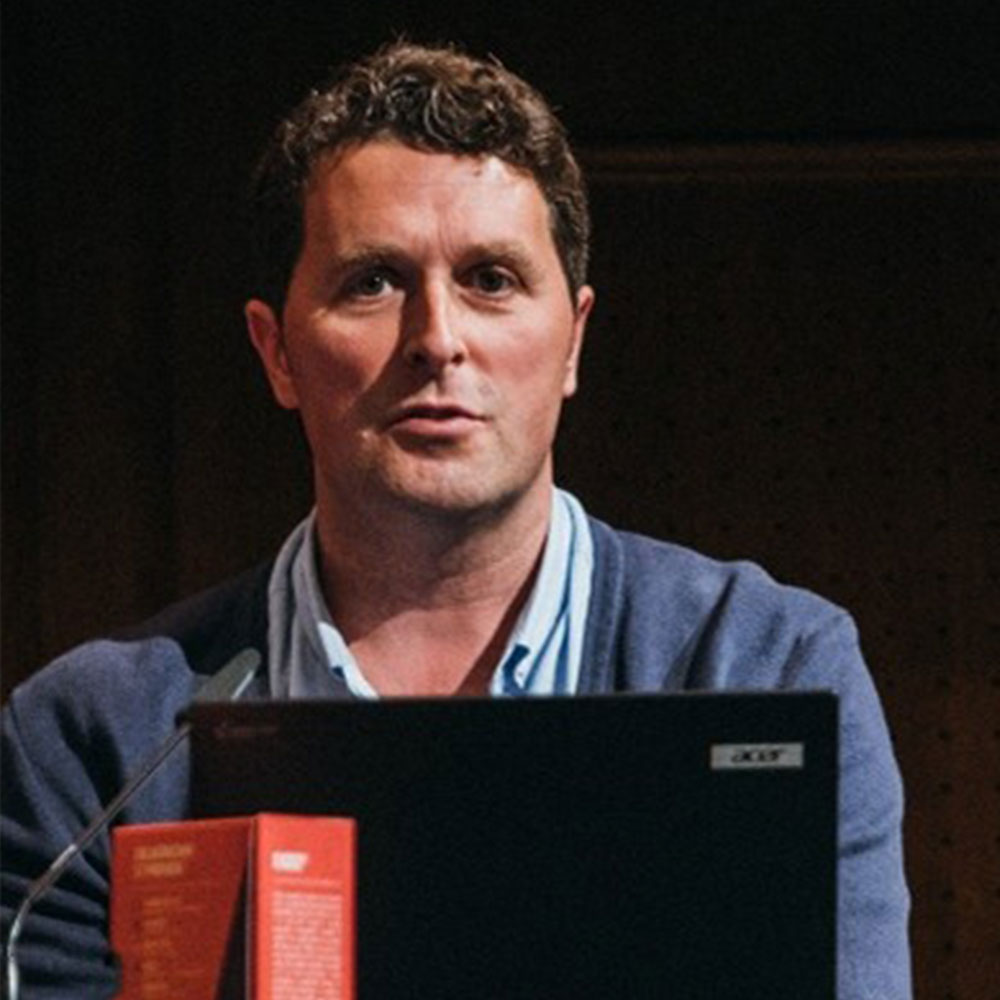
Edin Omerčić
I think that this project is very important because at its core it tackles problems that have been dragging on in our societies, in our regions, in the area of the entire Southeastern Europe practically since the Middle Ages up until now. We changed systems, we changed ideologies, but what remained is the patriarchal system, which through this project and through these textbooks we want to somehow dismantle, and what we want to tackle is actually that militaristic system which is deeply embedded in our roots, and which should at least be called into question, because society cannot move forward in this way, through the violence represented on a daily basis. I think that we have to do that and that in this way we have to help the younger generations somehow come to the fore and to move towards a better, brighter future.

Zvezdana Kovač
It would be very important for these books to become part of the education system in all Balkan countries. These educational systems are mostly quite rigid and it would be very good if this education reform would encompass the entire region. I think it would be much more effective, because, for example, very little is known about the wars of the 1990s and the contents of the textbooks in all the countries of the Western Balkans are completely different. It would be very important if as many teachers as possible, but also pupils and students, used them, because, unfortunately, even after 30 years, we have not moved in the Western Balkans, and not only have we not moved, but our nationalism is on the rise, if it ever stopped. After the wars of the 90s, we witnessed attempts at so-called unscientific historical revisionism, not to mention numerous examples of clericalization throughout the region. So, this kind of reading and this kind of approach to history and the teaching of history would be healing for our societies.

Aleksandra Tomanić
The Joint History Books project is, in my opinion, one of the most important projects we have had in the region. And I am very glad that we have the privilege to be a part of that project now. This phase is called “History for the future” and I think it is crucial because we have been victims of toxic and simply untrue narratives about the past for long enough, and understanding the other side will facilitate not only the present, but above all the future, and it is high time that we finally understand history in this way.

Angelos Palikidis
Why is the Joint History Project important today? First, because from the time it started until today, the conflicts and retaliations between the Balkan states, in some way, have not been resolved, they still exist even in a dormant form, while new tensions have also emerged.
The second reason is because, according to a pan-European survey conducted by the Council of Europe, history curricula and school textbooks, especially in the Balkans, continue to be ethnocentric and Eurocentric. Therefore, the material and methodology provided by the Joint History Project remains valuable and important.The third reason is because in the digital age we are living in — an age filled, both in the public digital space and beyond, with fake news, distortions of history, and conspiracy theories — educators feel overwhelmed. So, the Joint History Project offers them scientific and pedagogical support, but most importantly, it offers them psychological support to continue their good work.
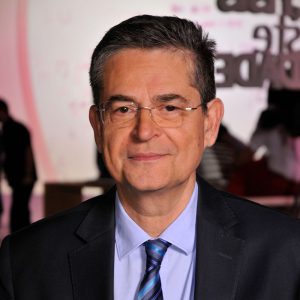
Nenad Šebek
This project, launched three decades ago, is just as necessary today as it was back then, because some things in our societies in Southeast Europe — and elsewhere in the world — have not changed. One of those things is that history education is still conducted according to an ethnocentric, nationalist principle. In other words, history teaching is often misused to present one’s own nation as wonderful, admirable, exceptional — always a victim, never an aggressor — while portraying all those around us as something less.
What is unique about this kind of multiperspective approach to history is that it gives us the opportunity to learn what others think about us. And others often have a much more realistic view of us than we have of ourselves.
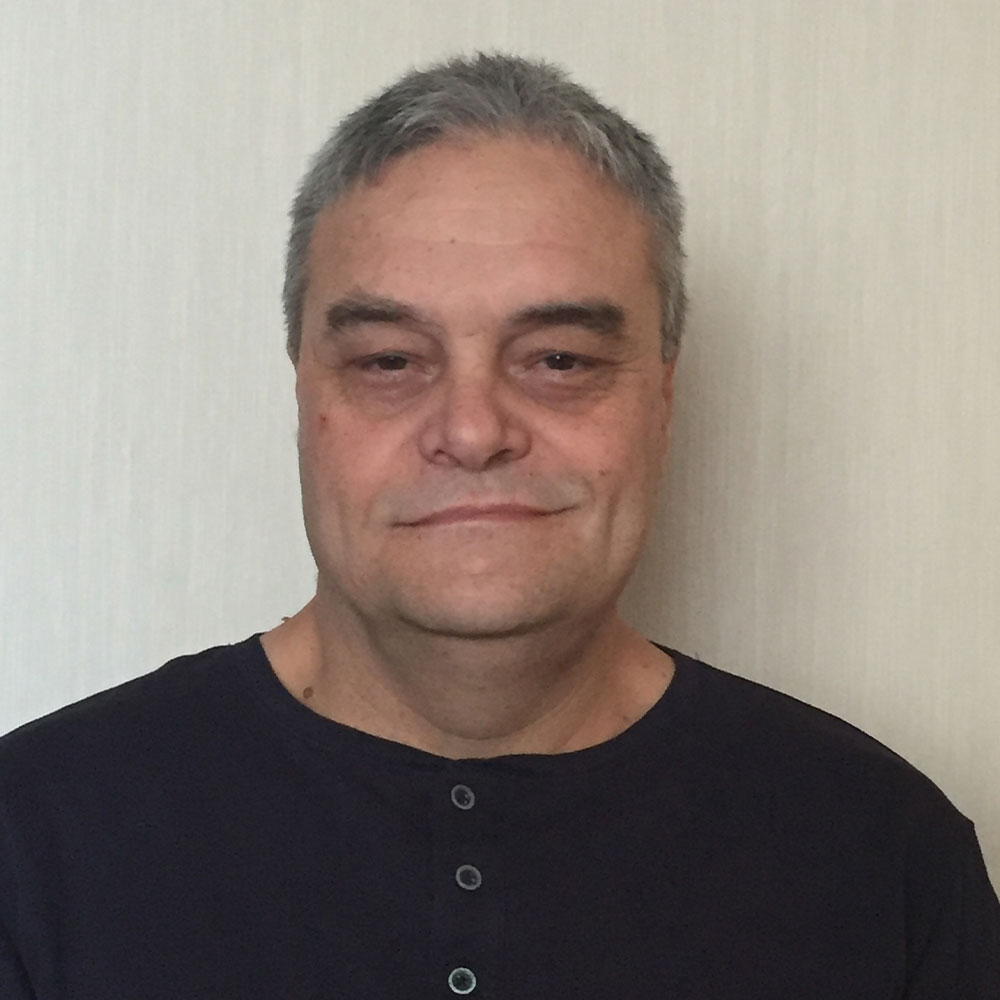
Aleksej Kalionski
Let me say a few words about our project — what sets it apart, why it has such a long history, and why none of us wants to bring it to an end. On the contrary, we all hope it will continue.
Of course, there are many similar initiatives — both across Europe and within the region. But from the very beginning, our project has followed a clear strategy that proved effective. It worked because its core aim has never been to confront, to argue against, or to reject the existing national narratives and historical accounts. These narratives are, undoubtedly, a fundamental part of the nation as a central category — in the world, in Europe, and naturally, in Bulgaria as well.
Our goal has always been different.
That’s why we chose to call our outputs and texts “supplementary educational materials.” Our strategy was to complement — to shift the perspective, to uncover those situations, historical periods, figures, and sources that represent something absent, something that has not been treated as an independent field, or something that has simply been forgotten. This kind of absence is present in existing educational systems and in dominant historical narratives alike.
Our aim has been to present the region as it truly is — diverse, both in the past and in the present.