
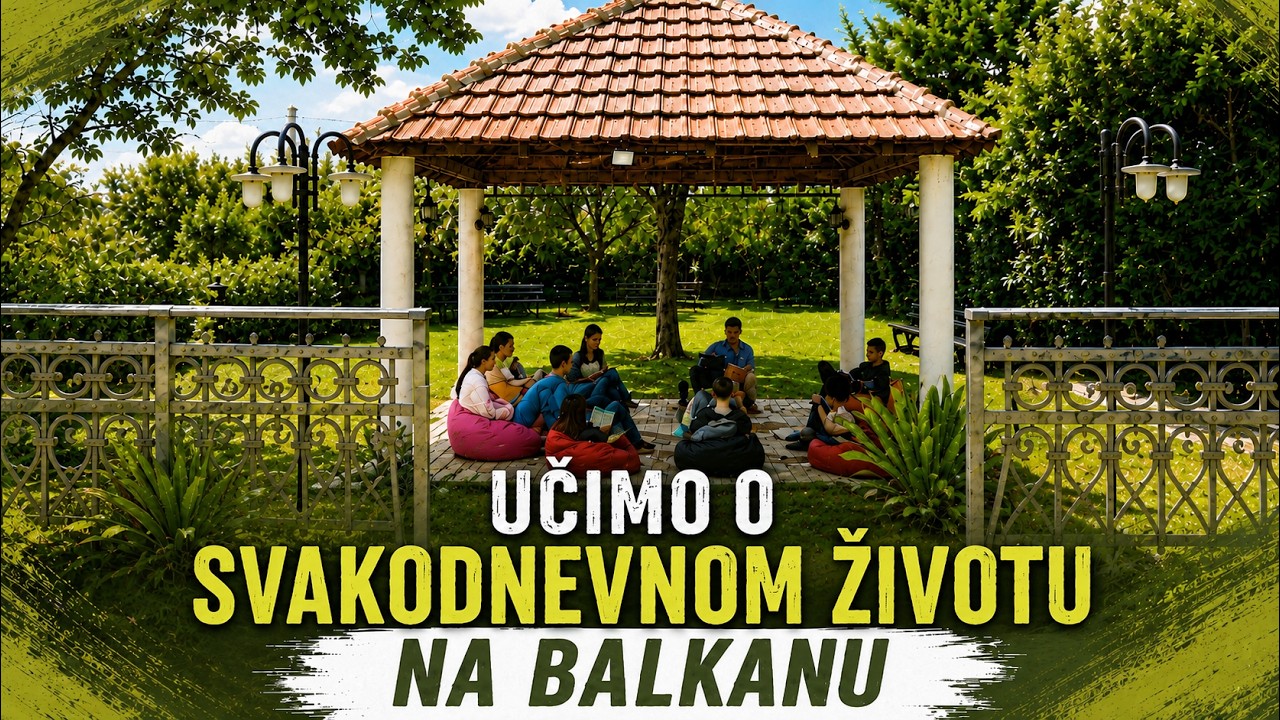
As part of our ongoing conversations with young people within the Joint History Project, this lesson is dedicated to an exciting and relatable topic—everyday life under different political and economic systems. In this video, high school students analyze testimonies and historical sources—from the memories of Bulgarian diplomat Ivan Stancioff on surviving hunger, ration coupons, and resourcefulness in Sofia in 1942, to the opening of the first supermarket in Ljubljana in 1959 and the expansion of consumer culture with Coca-Cola and department stores across the region, all the way to testimonies on hyperinflation in Belgrade in 1993, when salaries were carried in bags and bread sales were limited to loaves per person. Through these examples, we explore how people coped in times of crisis, how new technologies and consumer trends standardized daily life despite ideological differences, and what family memories teach us about how history intertwines with everyday life. Join our students in critically examining historical sources and building an understanding of our shared past.
Multiperspectivity in History Teaching In history teaching, there is rarely only one side to the story.
That is why through this video, as well as through all of our work, we promote multiperspectivity—a methodology that teaches us to view historical events from different angles, critically examine sources, and understand the complexity of the past without bias.